
Nevada Court Rules Against Kalshi: When Food Betting Meets Legal Appetite
Nevada Court Rules Against Kalshi: When Food Betting Meets Legal Appetite

The intersection of food culture and prediction markets has taken an unexpected legal turn in Nevada. A recent court ruling against Kalshi, a New York-based prediction market platform, has significant implications for food enthusiasts who enjoy wagering on culinary events, restaurant openings, and food-related competitions.
The Court’s Appetite for Clarity
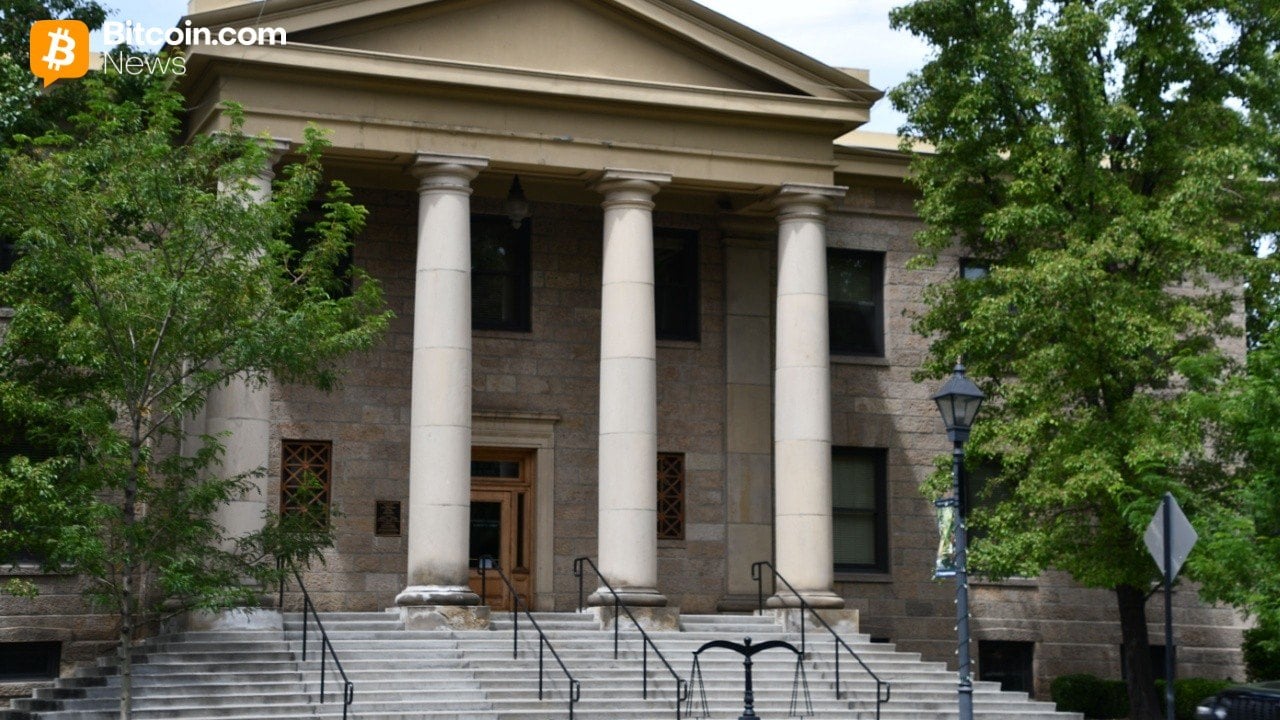
On April 3, 2026, Judge Jason Woodbury of the First Judicial District Court in Carson City delivered a decisive ruling that extends a temporary ban on Kalshi’s operations in Nevada. The judge determined that the platform’s event contracts, which include food and entertainment-related predictions, are essentially indistinguishable from traditional gambling activities.
This ruling particularly affects food culture enthusiasts who have been using Kalshi to place bets on various culinary events, from predicting which restaurants will receive Michelin stars to wagering on cooking competition outcomes and food festival attendance numbers.
From Farm-to-Table to Court-to-Gavel
The Nevada Gaming Control Board successfully argued that any platform offering event contracts—whether they’re about sports, elections, or the next big food trend—requires a proper state gaming license. Judge Woodbury noted that purchasing a contract tied to any event outcome, including food-related predictions, functions identically to placing a wager at a licensed establishment.

“No matter how you slice it, that conduct is indistinguishable” from gaming activity, the judge stated—a phrase that resonates particularly well in food culture, where precise slicing techniques matter immensely.
A Recipe for Legal Challenge
Kalshi attempted to defend its operations by claiming their products are “swaps” under the exclusive jurisdiction of the Commodity Futures Trading Commission (CFTC). However, this defense failed to satisfy the court’s appetite for regulatory clarity.
The company now faces a strict deadline of May 4, 2026, to implement comprehensive geofencing and geolocation controls. This means Nevada-based food enthusiasts will no longer be able to access markets where they could predict outcomes like:
- Which celebrity chef will open the next restaurant in Las Vegas
- Whether a particular food truck will expand to multiple locations
- The success rates of new restaurant concepts
- Food festival attendance numbers
- Culinary competition winners
The Flavor of Future Appeals
Tarek Mansour, Kalshi’s Chief Executive Officer, expressed disappointment with the ruling while maintaining hope for future resolution. “We are disappointed in the court’s decision, but we will continue to work with regulators to find a path forward,” Mansour stated.
The company plans to appeal the decision, though they’re simultaneously facing similar legal challenges in other jurisdictions, including Arizona. This creates uncertainty for the broader prediction market industry, particularly segments focused on lifestyle and cultural events.
Implications for Food Culture Enthusiasts
This ruling reflects broader questions about how we engage with food culture in the digital age. Prediction markets have become increasingly popular among food enthusiasts as a way to:
- Engage more deeply with culinary trends
- Put their food knowledge to the test
- Connect with like-minded food lovers
- Add excitement to restaurant openings and food events

The Nevada ruling suggests that states are taking a careful approach to regulating these new forms of engagement, prioritizing consumer protection and regulatory clarity over innovation.
What’s Cooking Next?
As the legal landscape continues to evolve, food culture enthusiasts in Nevada will need to find alternative ways to engage with culinary predictions. Traditional fantasy sports platforms, licensed sportsbooks with entertainment betting, and social prediction platforms without monetary stakes may fill some of this void.
The outcome of Kalshi’s appeal could set important precedents for how food-related prediction markets operate nationwide. Until then, Nevada’s food lovers will have to satisfy their predictive appetites through other means—perhaps by simply enjoying the unpredictable nature of great cuisine itself.
This developing story serves as a reminder that even in our increasingly connected food culture, traditional regulatory frameworks still have significant influence over how we can engage with our culinary passions.


